Lupus Self Management and How it Can Help You
Living with lupus means navigating a condition that can shift from day to day, and sometimes even hour to hour. Medical treatment is essential, but the everyday choices you make—how you rest, eat, move, cope, and connect—play a powerful role in how you feel. Because lupus is a long‑term, unpredictable illness, developing strong self‑management habits can reduce symptom flares, support emotional well‑being, and help you feel more confident in your ability to handle challenges as they arise.
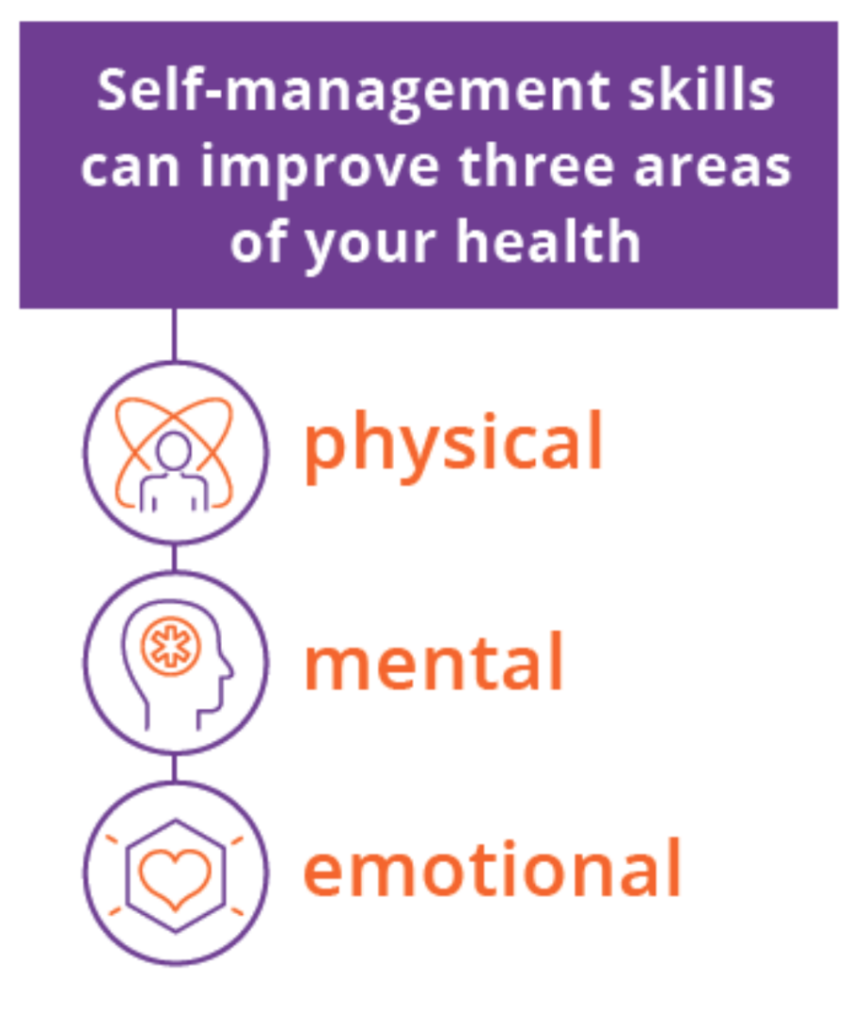
Self‑management simply means the actions you take to care for your physical, mental, and emotional health. These skills can help you manage fatigue, cope with stress or low mood, stay consistent with medications, and communicate clearly with your health care team. Many people also find that education and support programs make it easier to build routines that fit naturally into daily life.
Key components of lupus self‑management:
- Manage stress and mental health.
- Stress is a well‑known trigger for lupus flares. Practices like mindfulness, meditation, breathing exercises, journaling, or gentle movement such as yoga or tai chi can help calm the nervous system. Some people also benefit from counseling or support from a mental health professional, especially during periods of increased symptoms or life stress.
- Stay on top of your treatment plan.
- Taking medications as prescribed, keeping track of symptoms, and noting any changes in energy, pain, or mood can help you and your doctor identify patterns early. Many people use apps, journals, or reminders to stay organized. Regular check‑ins with your health care team ensure your treatment plan evolves with your needs.
- Eat well and stay active.
- A balanced diet rich in fruits, vegetables, whole grains, and lean proteins can support overall health and help manage inflammation. Staying active—within your limits—can improve energy, joint mobility, and mood. Activities like walking, swimming, stretching, or low‑impact strength training are often well‑tolerated. Listening to your body and pacing yourself is essential.
- Prioritize rest and energy management.
- Fatigue is one of the most common lupus symptoms. Learning to pace activities, take restorative breaks, and maintain consistent sleep habits can help you conserve energy and prevent overexertion. Some people find it helpful to plan their day around their natural energy peaks.
- Protect yourself from the sun.
- Photosensitivity is common in lupus, and UV exposure can trigger flares. Wearing sunscreen, protective clothing, and avoiding peak sunlight hours can make a meaningful difference in symptom control.
- Connect with others.
- Support groups, peer communities, and self‑management programs offer encouragement, practical tools, and a sense of belonging. Learning from others who understand your experience can make
- Build strong communication with your health care team.
- Asking questions, sharing concerns, and being open about how lupus affects your daily life helps your providers tailor care to your needs. Good communication also makes it easier to adjust treatments when symptoms change.
Self‑management doesn’t mean handling lupus on your own. It means partnering with your health care team, leaning on supportive relationships, and using tools that help you live well. With knowledge, practice, and the right support, many people with lupus find they can build routines that protect their health and help them thrive.